Wondering whether a historic home in Comfort is a charming dream or a bigger commitment than you want to take on? That is a fair question, especially in a town where architecture, community identity, and daily life are closely tied to the past. If you are considering a historic property here, you need a clear view of the rewards, the responsibilities, and the details worth checking before you buy. Let’s dive in.
Why Comfort Stands Out
Comfort offers a rare mix of small-town Hill Country appeal and a deeply preserved historic setting. Founded by German immigrants in 1854, the town still reflects that early history in both its layout and its buildings.
The Comfort Historic District was listed in the National Register in 1979 and expanded in 2004. Official local tourism materials note that most of downtown is listed on the National Register, with more than 100 structures dating from the 19th to the early 20th centuries.
That history is not tucked away behind museum ropes. It is part of everyday life, from shops and dining to walking tours and recurring community events like Christmas in Comfort, which brings more than 100 arts-and-crafts vendors into the historic district.
What Historic Homes Look Like in Comfort
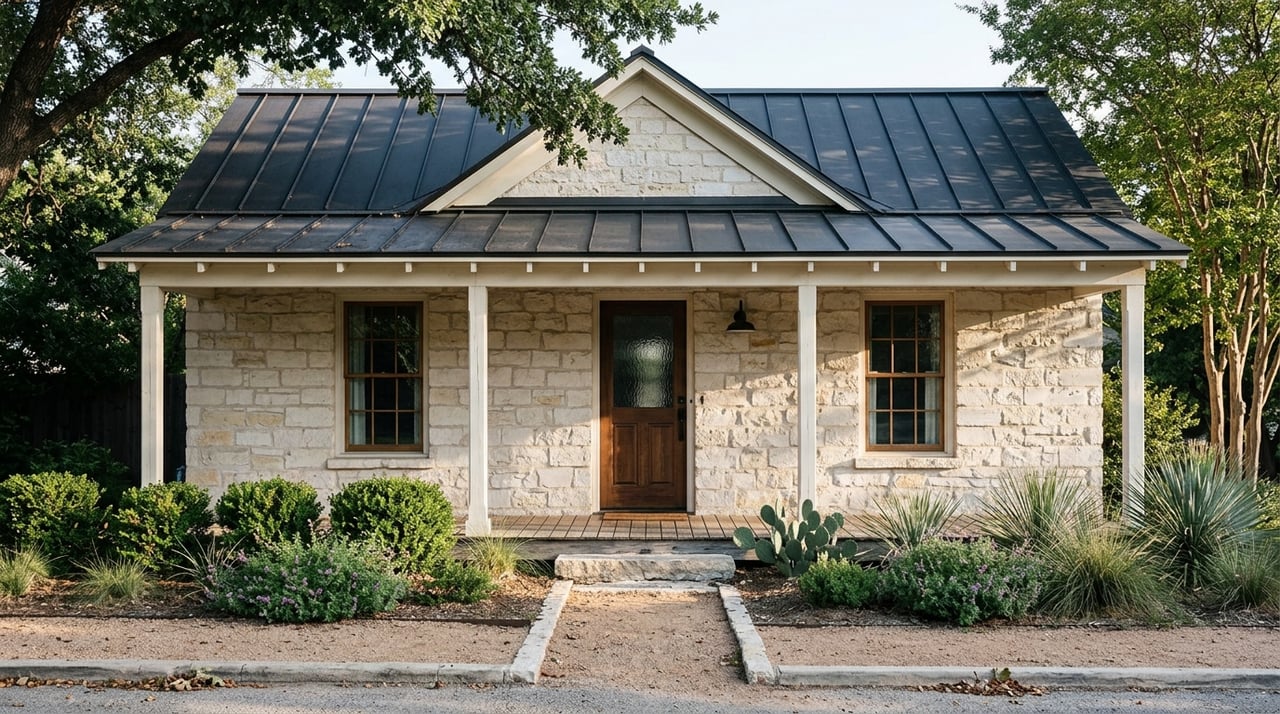
One of the best things about buying a historic home in Comfort is that there is no single look. The district developed over roughly a century, so you will see a broad range of architecture rather than one repeating style.
Texas Historical Commission records describe log cabins, fachwerk, stone vernacular buildings, Gothic, Queen Anne, Colonial, Victorian, Spanish, Ranch, bungalow influences, and even examples of the Modern Movement. Many homes have not been moved or heavily altered, which helps preserve the town’s strong sense of continuity.
German Vernacular and Fachwerk
Some of Comfort’s earliest buildings reflect German-Texas construction traditions. Fachwerk buildings may feature half-timbered framing with limestone infill, creating a look that feels both rustic and highly distinctive.
If you are drawn to original materials and old-world craftsmanship, these homes can be especially appealing. They also tend to reward buyers who appreciate authenticity over perfection.
Queen Anne and Late Victorian Details
You may also find homes with more decorative late-19th-century character. Queen Anne and late Victorian houses are often asymmetrical, with bay windows, porches, varied materials, and ornamental details.
These properties often make a strong first impression. For buyers who want a home with visual personality, this style can offer a lot of charm.
Bungalows and Craftsman Influence
Early-20th-century homes in Comfort may include bungalow forms with broad gables and porch-centered layouts. These homes often feel approachable and practical while still carrying historic character.
For many buyers, bungalows strike a nice balance. You get period appeal, but often in a floor plan that can feel easier to live in day to day.
The Appeal of Owning Historic Property
A historic home in Comfort is about more than square footage. It is often about living in a place with visible roots, enduring materials, and a setting that feels connected to the Hill Country’s past.
Some properties have stayed in the same families for generations, according to local tourism materials. That kind of continuity gives the town a lasting identity that many buyers find hard to replicate in newer communities.
There is also the lifestyle factor. In Comfort, historic ownership can mean being close to downtown activity, community events, and a walkable collection of preserved buildings that shape the town’s character.
What Maintenance Really Means
Historic-home ownership usually calls for a preservation mindset. In practical terms, that means you are often repairing and rehabilitating rather than stripping everything out and starting over.
Texas Historical Commission guidance emphasizes preserving existing materials, and National Park Service standards say historic features should be repaired rather than replaced when possible. Sensitive upgrades to electrical, plumbing, and mechanical systems are appropriate when they do not damage character-defining materials.
That often means focusing on elements like:
- Rooflines
- Woodwork
- Masonry
- Porches
- Trim
- Original windows where feasible
If you prefer a blank-slate remodel, a historic property may feel restrictive even when it is legally flexible. If you value craftsmanship and continuity, the process can feel much more rewarding.
Water Management Comes First
For older homes, water is one of the biggest risks. Guidance from the National Park Service highlights roofs, gutters, downspouts, flashing, and drainage as critical systems to watch.
Routine care matters here. Cleaning gutters, replacing deteriorated flashing, and keeping wood and masonry in sound condition can help prevent larger structural issues later.
You should also be cautious around foundations. Regrading or excavation in ways that affect settlement can create serious problems for an older structure.
Windows Need Thoughtful Decisions
Windows are often one of the biggest decision points in a historic home. National Park Service guidance recommends repairing historic windows when possible, and if replacement becomes necessary, the new units should match the old in design, color, texture, visual qualities, and, where possible, materials.
That matters because replacement windows are often marketed as a simple energy upgrade, but they are not always the best answer. In many cases, weatherization or storm windows can improve comfort while preserving historic character.
Budgeting for a Historic Home
Older homes often require a different budget mindset than newer construction. Instead of assuming most costs are cosmetic, you should expect your budget to cover core systems and building components.
Texas Historic Preservation Tax Credit program categories offer a useful snapshot of the kinds of work older properties often need. Common rehabilitation categories include:
- Structural work
- General building repairs
- Electrical updates
- Plumbing updates
- Heating and air conditioning
- Roof work
- Painting
This does not mean every historic home in Comfort will need major work. It does mean you should evaluate the condition of major systems carefully and plan for ongoing upkeep over time.
What National Register Status Does and Does Not Mean
This is one of the most important points for buyers to understand. Listing in the National Register does not by itself restrict a private owner’s ability to alter, manage, or sell a property.
It also does not require you to maintain the property in a certain way or open it to the public. Many buyers are surprised by that, so it is worth clearing up early.
Other Designations May Add Oversight
While National Register listing alone does not create those restrictions, other designations can. The Texas Historical Commission states that Recorded Texas Historic Landmarks require 60 days’ advance notice for exterior changes, and State Antiquities Landmarks require permits.
Local preservation ordinances can also add their own rules. That is why it is so important to verify the exact designation status of a specific property before you make plans for renovation.
Historic Tax Credits: A Common Misunderstanding
Many buyers assume a historic home automatically comes with homeowner tax incentives. In most cases, that is not how these programs work.
The federal 20% historic rehabilitation credit applies only to income-producing buildings. Texas also limits its credit to certified historic structures used for income-producing or nonprofit purposes, and the state explicitly says owner-occupied residential properties are not eligible.
For a typical private residence in Comfort, the real value is usually the architecture, setting, and sense of place rather than a homeowner tax credit.
Smart Due Diligence Before You Buy
If you are serious about purchasing a historic home in Comfort, a little extra research upfront can save you time, money, and frustration later. Historic homes reward informed buyers.
Start with the basics:
- Confirm whether the property is in the National Register district
- Verify whether it also has RTHL, SAL, or any local landmark status
- Review visible condition of roofing, gutters, flashing, and drainage
- Look closely at masonry, woodwork, porches, and trim
- Ask about the age and condition of electrical, plumbing, and HVAC systems
- Evaluate windows for repair condition and replacement history
The Texas Historical Commission also notes that it can provide technical assistance and guidance to owners of historic properties, even when a property is not formally designated. If a renovation is likely, getting clarity early can be very helpful.
Is a Historic Home in Comfort Right for You?
If you want a home with story, texture, and a strong connection to place, Comfort offers something special. Its historic district combines authentic architecture with an active downtown and a community identity that remains closely tied to its past.
At the same time, historic ownership asks more of you. You need patience, a realistic maintenance budget, and an appreciation for preservation-minded updates instead of quick cosmetic overhauls.
For the right buyer, that tradeoff is exactly the point. You are not just buying a house. You are stepping into a piece of Comfort’s ongoing story.
If you are exploring historic homes in Comfort or preparing to position a distinctive Hill Country property for the market, Strait Luxury offers the local insight, discretion, and high-touch guidance to help you move forward with confidence.
FAQs
What makes a home historic in Comfort, Texas?
- In Comfort, historic significance often relates to a home’s age, architecture, and location within or connected to the Comfort Historic District, where many structures date from the 19th to early 20th centuries.
Does National Register status restrict changes to a Comfort historic home?
- No. The Texas Historical Commission states that National Register listing by itself does not restrict a private owner’s ability to alter, manage, or sell a property.
Are owner-occupied historic homes in Comfort eligible for Texas tax credits?
- No. Texas says its historic preservation tax credit applies to certified historic structures used for income-producing or nonprofit purposes, not owner-occupied residential properties.
What repairs matter most for a historic home in Comfort?
- Roofs, gutters, downspouts, flashing, drainage, masonry, woodwork, windows, and major systems like electrical, plumbing, and HVAC are all important areas to review.
What architectural styles might you see in Comfort historic homes?
- Buyers may see German vernacular and fachwerk construction, stone vernacular buildings, Queen Anne and Victorian details, bungalow forms, Craftsman influence, and other styles documented across the historic district.
What should you verify before buying a historic home in Comfort?
- You should confirm whether the property is only within the National Register district or also has Recorded Texas Historic Landmark, State Antiquities Landmark, or local landmark status, since those other designations may involve added oversight.