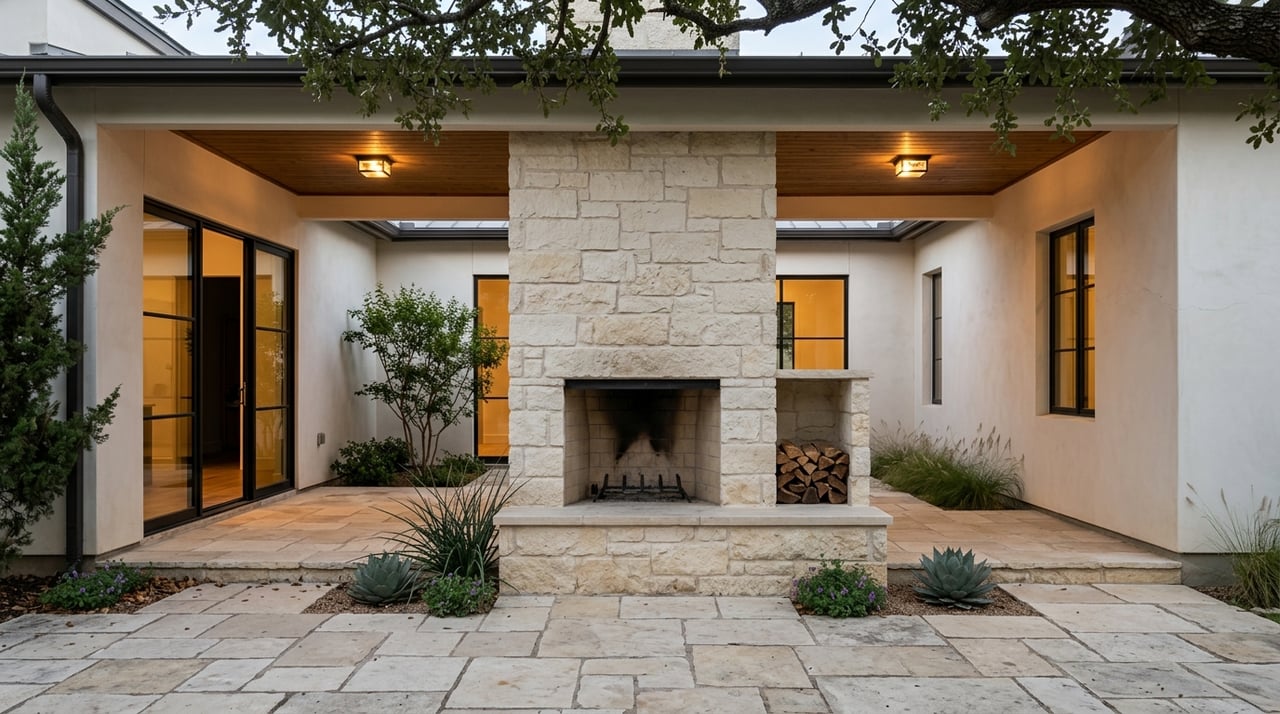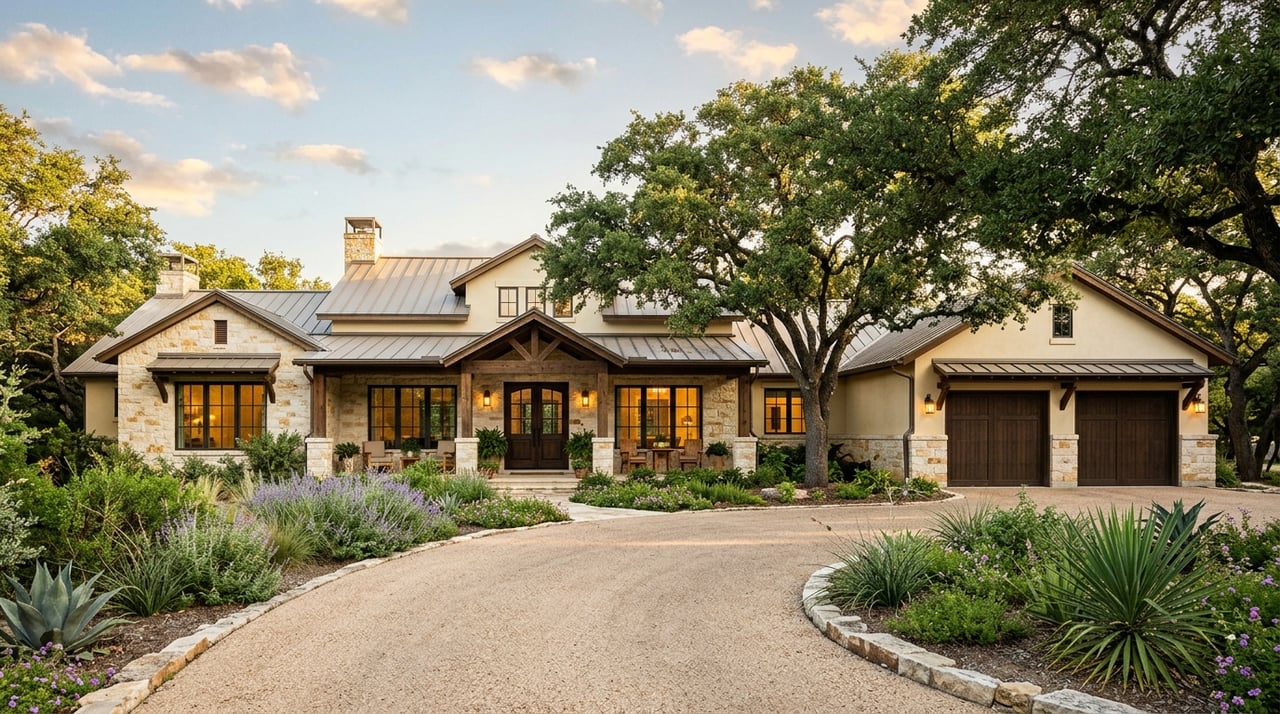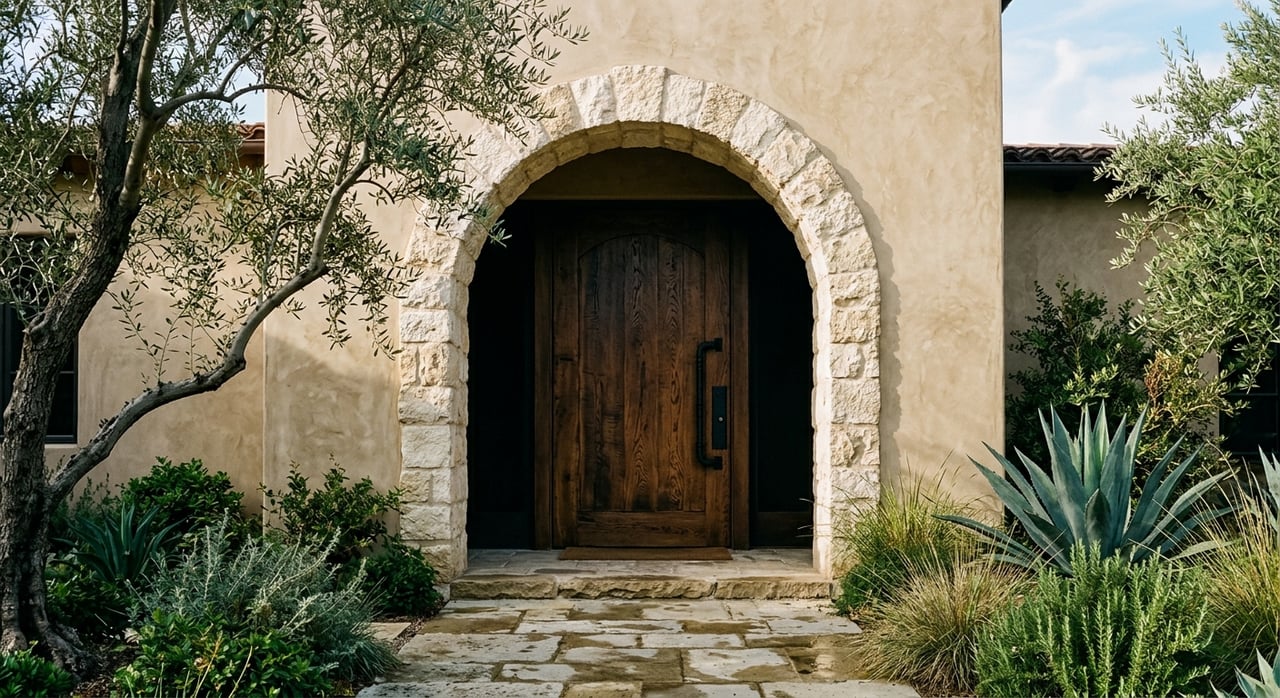
If you are planning a custom home in Anaqua Springs Ranch, the lot matters just as much as the floor plan. This is not a simple pick-a-builder-and-start-digging community. Between homesite conditions, design review, septic requirements, and possible county or ETJ approvals, your timeline and budget depend on the details you sort out early. Let’s dive in.
Why Anaqua Springs Ranch Is Different
Anaqua Springs Ranch is described publicly as a nearly 920-acre, guard-gated Hill Country community about 26 miles north of downtown San Antonio and roughly 5.6 miles west of I-10 at Leon Springs. The neighborhood also highlights tree-lined private roads, underground utilities, a 5-acre community park, and homesites that average about 1 to 3 acres.
That setting is a big part of the appeal, but it also shapes the building process. The community materials note mandatory HOA and gate-sentry fees, and they also state that each homeowner must provide and maintain the septic system. In other words, your lot is not just where the house will sit. It affects approvals, utility planning, site work, and long-term ownership.
Start With the Homesite
Before you focus on finishes or façade ideas, look closely at the lot itself. In Anaqua Springs Ranch, site conditions can influence where the home sits, how the driveway works, and whether additional reviews may be needed before construction begins.
The current public homesite information for Unit 8 gives a helpful snapshot of what buyers may encounter. It references 1+ acre lots, spring-fed Leon Creek frontage on some homesites, ample setbacks, and no time limit to build. That combination gives you flexibility, but it also means each lot should be evaluated on its own terms.
Key lot features to review
When comparing homesites, pay close attention to:
- Slope and topography
- Creek frontage or drainage areas
- Setback limits
- Driveway approach and garage orientation
- Space for septic planning
- Tree placement and usable building area
A lot that looks large on paper may still have design constraints once setbacks, drainage, and septic placement are considered. That is why lot analysis should come before full design work, not after.
Understand the Design Requirements
Anaqua Springs Ranch is best understood as a design-review community. Based on the public homesite materials, buyers should expect review and approval for the builder, house plans, and landscape plans through the master design committee.
The same available homesites page also lists several visible architectural standards. These include a 3,250-square-foot minimum for single-story homes, an 85% masonry requirement, approved roof types, side- or rear-entry garages, and approved driveway materials.
What that means for your plans
These rules do more than set a general tone. They can affect:
- The footprint and massing of your home
- Exterior material selections
- Roof design and profile
- Garage placement
- Landscape concept
- How early your architect and builder need to coordinate
Public marketing materials describe the community style as “Euro-Texan” or old-world European in feel. Still, the exact standards can vary by unit and plat, so your final due diligence should be tied to the specific lot you are buying.
HOA Rules vs. Government Approvals
One of the easiest ways to lose time in a custom build is to assume one approval covers everything. In Anaqua Springs Ranch, community approvals and government approvals are separate steps.
The master design committee may review the builder, home design, and landscape plan, but county or city-related approvals may still apply depending on the lot and scope of work. Getting clear on that division early can help you avoid redesigns and delays.
Community-level approvals
Based on public community information, these may include:
- Builder approval
- House plan approval
- Landscape plan approval
- Compliance with architectural standards
County or city-related approvals
Depending on the lot, these may include:
- Septic permitting
- Stormwater site-development review
- Floodplain review
- Possible ETJ-related checks
- Optional residential building permit review through Bexar County for a private residence
A good planning process treats these as parallel tracks, not a single checklist.
Check Jurisdiction Early
Bexar County states in its public FAQ that there are no zoning regulations in unincorporated county areas, and that residential building permits for private residences are handled on a voluntary basis. If a permit is pursued, the county says it has 30 days to review and issue or deny it, and that permit is valid for 180 days from issuance.
That sounds straightforward, but there is an important local detail. The same county FAQ says that properties located in the San Antonio ETJ may still have city requirements to check. There has also been at least one San Antonio Planning Commission filing for an Anaqua Springs Ranch unit labeled ETJ.
Why ETJ status matters
Your lot’s phase or location may affect which rules apply. That means you should verify the exact homesite before assuming the process is county-only.
This is one of the most important early questions to answer because it can shape your permit path, review timeline, and consultant needs.
Plan for Septic From Day One
The community’s public page states that homeowners provide and maintain their own septic systems. That makes septic planning a core part of the build, not a side item to handle later.
Bexar County requires on-site sewage facilities permits and explains that septic systems are installed, inspected, and maintained under county OSSF rules. On a custom homesite, septic design can affect home placement, grading, and how much of the lot is truly buildable.
Septic questions to ask early
- Where can the septic system realistically go?
- Will the proposed house location leave enough room for the system?
- How might topography affect installation?
- Does the driveway or outdoor living plan compete with septic placement?
These are practical layout questions, and they are much easier to solve before plans are finalized.
Watch for Creek, Stormwater, and Floodplain Issues
Because some Anaqua Springs Ranch lots feature Leon Creek frontage, drainage and site-development review deserve extra attention. A scenic lot can be a major advantage, but it may also come with added planning steps.
Bexar County says a stormwater site-development permit is required for construction disturbing 1 or more acres, or even less than 1 acre if it is part of a larger common plan of development or sale. The county also recommends submitting site-development and floodplain permits at least 45 days before the permit-verification form is submitted.
The county further notes that construction in the floodplain is allowed only if requirements are met and a permit is obtained. For buyers considering creek-adjacent lots, that makes an early site review especially important for budgeting and home placement.
Build Timeline: Think in Phases
Many buyers ask how long it takes to build a custom home, but the better question is how long the full project takes from lot purchase to move-in. In a community like Anaqua Springs Ranch, pre-construction work often takes more time than buyers expect.
As a national benchmark, the NAHB’s 2025 summary of Census data says the average U.S. single-family home completed in 2024 took 9.1 months from authorization to completion. Contractor-built homes averaged about 12 months, while owner-built homes averaged about 15.1 months.
That does not specifically describe Anaqua Springs Ranch, but it does provide a useful reality check. Even a standard build is measured in months, and this community may involve added time for design review, septic permitting, stormwater or floodplain review, and possible ETJ-related checks.
A practical planning sequence
For many buyers, the smoothest path looks like this:
- Select the lot
- Verify unit-specific restrictions and jurisdiction
- Test fit the home with setbacks, drainage, and septic in mind
- Coordinate builder, architect, and design requirements
- Submit community approvals
- Handle septic and any site-development or floodplain reviews
- Finalize the construction schedule
If you do these steps in order, you are more likely to avoid expensive changes later.
Don’t Assume School Assignments
Community marketing materials reference nearby Northside ISD schools, but school assignment is ultimately address-based. Northside ISD says boundaries should be verified using its boundaries-and-buses tool.
For buyers who want the most accurate information, the right move is to confirm the assignment for the exact address or lot once available. That is more reliable than assuming a current community marketing reference will apply to every homesite over time.
What Smart Buyers Do First
If you are serious about building here, your first goal is clarity. You want to know what the lot allows, what the approvals require, and what the process will likely involve before you commit to plans that may need revision.
That is where experienced local guidance can help. With a community like Anaqua Springs Ranch, a thoughtful approach can save time, protect your budget, and help you choose a homesite that supports the home you actually want to build.
If you are weighing lots, comparing build paths, or planning your next move in the Hill Country luxury market, Strait Luxury can help you approach the process with clarity and confidence.
FAQs
What makes planning a custom home in Anaqua Springs Ranch more involved?
- Public community materials show that lot conditions, master design committee approval, septic responsibility, and possible county or ETJ-related reviews can all affect the process.
What are the public design requirements for some Anaqua Springs Ranch homesites?
- The current Unit 8 homesite page lists items such as a 3,250-square-foot minimum for single-story homes, an 85% masonry requirement, approved roof types, side- or rear-entry garages, approved driveway materials, and design committee approval.
Does every Anaqua Springs Ranch lot follow the same rules?
- Not necessarily. Public materials suggest some requirements are tied to the exact unit, plat, or homesite, so buyers should verify restrictions for the specific lot they are considering.
Do you need a septic system for a custom home in Anaqua Springs Ranch?
- The community page states that the homeowner provides and maintains the septic system, and Bexar County requires permits for on-site sewage facilities.
Could creek frontage affect a custom build in Anaqua Springs Ranch?
- Yes. Lots with Leon Creek frontage may involve added stormwater or floodplain review depending on the site conditions and construction scope.
Is Anaqua Springs Ranch in Bexar County or San Antonio ETJ?
- Buyers should verify the exact lot or phase. Bexar County says ETJ properties may have city requirements, and at least one Anaqua Springs Ranch unit has appeared in a San Antonio Planning Commission filing labeled ETJ.
How long should you expect a custom home project in Anaqua Springs Ranch to take?
- Plan for a multi-step timeline. National data shows even standard single-family homes usually take many months to complete, and this community may add review and permitting steps before construction starts.
How can you verify school assignments for an Anaqua Springs Ranch homesite?
- Northside ISD says assignments are address-based and should be confirmed using the district’s boundaries-and-buses tool.